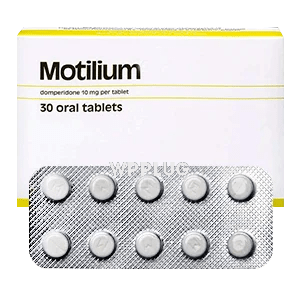
| Product dosage: 10mg | |||
|---|---|---|---|
| Package (num) | Per pill | Price | Buy |
| 10 | $4.01 | $40.14 (0%) | 🛒 Add to cart |
| 20 | $2.26 | $80.28 $45.16 (44%) | 🛒 Add to cart |
| 30 | $1.67 | $120.42 $50.17 (58%) | 🛒 Add to cart |
| 60 | $0.92 | $240.84 $55.19 (77%) | 🛒 Add to cart |
| 90 | $0.67 | $361.25 $60.21 (83%) | 🛒 Add to cart |
| 120 | $0.54 | $481.67 $65.23 (86%) | 🛒 Add to cart |
| 180 | $0.39 | $722.51 $70.24 (90%) | 🛒 Add to cart |
| 270 | $0.32 | $1083.76 $85.30 (92%) | 🛒 Add to cart |
| 360 | $0.26
Best per pill | $1445.01 $95.33 (93%) | 🛒 Add to cart |
Synonyms
| |||
Trending
cialis black
Cialis Black represents one of those interesting formulations that keeps showing up in our practice - patients bringing in these dark-coated tablets …
From 40.00 $ • 10mg x10 pills🛒 Add to cart
Amoxil: Effective Bacterial Infection Treatment - Evidence-Based Review
Amoxicillin, a broad-spectrum aminopenicillin antibiotic, represents one of the most frequently prescribed antibacterial agents in clinical practice. Derived …
From 40.00 $ • 250mg x20 pills🛒 Add to cart
vermox
Mebendazole, the active pharmaceutical ingredient in Vermox, represents one of the most widely prescribed anthelmintic medications globally. As a benzimidazole …
From 45.00 $ • 100mg x90 pills🛒 Add to cart
viagra
Let me walk you through what we’ve learned about Viagra over the past 25 years - not from the polished clinical trial data, but from actually prescribing …
From 40.00 $ • 25mg x20 pills🛒 Add to cart
levitra
Let me walk you through what we’ve observed with Levitra in clinical practice over the past decade - this isn’t the polished pharmaceutical brochure …
From 40.00 $ • 10mg x10 pills🛒 Add to cart
deltasone
Prednisone is a synthetic corticosteroid medication that mimics the effects of cortisol, a hormone naturally produced by the adrenal glands. It’s one of …
From 47.00 $ • 10mg x60 pills🛒 Add to cart
motilium
Domperidone, marketed under the brand name Motilium among others, is a dopamine antagonist medication primarily used to manage nausea, vomiting, and certain gastrointestinal motility disorders. It works by blocking dopamine receptors in the brain and gut, which helps to increase movements and contractions in the upper digestive tract, facilitating gastric emptying. Available in various forms including tablets and suspension, it’s a staple in many clinical settings for its targeted action.
1. Introduction: What is Motilium? Its Role in Modern Medicine
Motilium represents a class of medications known as prokinetic agents, specifically dopamine D2 and D3 receptor antagonists. What is Motilium used for? Primarily, it addresses symptoms like nausea and vomiting, and it’s particularly effective for conditions involving delayed gastric emptying, such as diabetic gastroparesis. Its significance in modern medicine lies in its ability to provide symptomatic relief without the significant central nervous system side effects associated with some older antiemetics, making it a preferred choice in certain patient populations. The benefits of Motilium extend to improving quality of life for individuals suffering from chronic digestive discomfort.
2. Key Components and Bioavailability Motilium
The active ingredient in Motilium is domperidone. Each standard tablet typically contains 10 mg of domperidone, while oral suspension formulations are dosed for pediatric or adult use as needed. The composition of Motilium includes excipients like lactose, maize starch, and magnesium stearate in tablets, which aid in stability and dissolution.
Bioavailability of Motilium is a crucial consideration. Domperidone undergoes significant first-pass metabolism in the liver, with oral bioavailability ranging from 13-17% in healthy individuals. This relatively low bioavailability is why dosing must be carefully calibrated. The drug’s absorption isn’t substantially affected by food, though taking it before meals may enhance its prokinetic effects for some conditions. Understanding the pharmacokinetics helps clinicians optimize dosing regimens for maximum therapeutic effect while minimizing potential adverse events.
3. Mechanism of Action Motilium: Scientific Substantiation
How Motilium works involves its antagonism of dopamine receptors, primarily in the chemoreceptor trigger zone (CTZ) of the brain and in the gastrointestinal tract. By blocking dopamine D2 receptors in the CTZ, it reduces the stimulation that leads to nausea and vomiting. Simultaneously, its blockade of dopamine receptors in the upper GI tract results in increased lower esophageal sphincter pressure, enhanced gastric contractions, and improved gastroduodenal coordination.
The effects on the body are multifaceted: it accelerates gastric emptying without stimulating gastric acid secretion, which differentiates it from some other prokinetic agents. Scientific research has demonstrated that domperidone doesn’t readily cross the blood-brain barrier in significant quantities, which explains its lower incidence of extrapyramidal side effects compared to metoclopramide. This peripheral selectivity makes it particularly valuable for patients who require long-term prokinetic therapy.
4. Indications for Use: What is Motilium Effective For?
Motilium for Nausea and Vomiting
Clinical evidence supports Motilium for treatment of nausea and vomiting of various origins, including that associated with gastroenteritis, medication side effects, and postoperative recovery. Its antiemetic properties make it effective for acute episodes as well as chronic nausea management.
Motilium for Gastroparesis
For diabetic gastroparesis and other forms of delayed gastric emptying, Motilium has shown significant efficacy in reducing symptoms like early satiety, bloating, and abdominal discomfort. Multiple studies have demonstrated improved gastric emptying times and symptom scores in patients with diabetic gastroparesis.
Motilium for Gastroesophageal Reflux Disease (GERD)
While not a first-line treatment for GERD, Motilium can be beneficial as adjunct therapy by improving esophageal clearance and reducing reflux episodes through its prokinetic effects on the lower esophageal sphincter and gastric emptying.
Motilium for Lactation Enhancement
Off-label, Motilium is commonly used for galactagogue purposes to stimulate lactation in breastfeeding women. Its mechanism involves dopamine blockade leading to increased prolactin secretion, though this use requires careful risk-benefit consideration due to safety concerns.
5. Instructions for Use: Dosage and Course of Administration
Proper instructions for Motilium use are essential for optimal outcomes while minimizing risks. The standard adult dosage for gastrointestinal indications is 10-20 mg taken three to four times daily, typically 15-30 minutes before meals and at bedtime. Maximum daily dosage should not exceed 80 mg for adults.
For pediatric populations, dosing is weight-based:
- Children weighing 20-30 kg: 5 mg twice daily
- Children weighing 30+ kg: 10 mg twice daily
| Indication | Dosage | Frequency | Duration |
|---|---|---|---|
| Nausea/vomiting | 10-20 mg | 3-4 times daily | 1-3 days |
| Gastroparesis | 10-20 mg | 3-4 times daily | 4-8 weeks initially |
| Lactation support | 10 mg | 3 times daily | 2-4 weeks |
The course of administration should be the shortest duration necessary to control symptoms. How to take Motilium typically involves oral administration with a small amount of water. Patients should be monitored for side effects, particularly with longer-term use.
6. Contraindications and Drug Interactions Motilium
Contraindications for Motilium include known hypersensitivity to domperidone, conditions where gastrointestinal stimulation might be dangerous (such as mechanical obstruction or perforation), and significant hepatic impairment. Perhaps most importantly, Motilium is contraindicated in patients with known cardiac conditions like congestive heart failure or those with electrolyte disturbances, due to the risk of QT prolongation and serious arrhythmias.
Drug interactions with Motilium are significant. Concurrent use with strong CYP3A4 inhibitors like ketoconazole, erythromycin, or certain HIV protease inhibitors is contraindicated due to dramatically increased domperidone levels. Other medications that prolong QT interval should be used with extreme caution. Is Motilium safe during pregnancy? Current evidence suggests it should be used only if clearly needed, with careful consideration of risks versus benefits. Similarly, breastfeeding women should use caution, though domperidone does pass into breast milk in small quantities.
7. Clinical Studies and Evidence Base Motilium
The scientific evidence for Motilium spans several decades. A 2019 systematic review in the Journal of Neurogastroenterology and Motility analyzed 28 randomized controlled trials involving over 4,000 patients, finding domperidone significantly more effective than placebo for symptoms of functional dyspepsia and gastroparesis. Effectiveness was demonstrated through both symptom improvement and objective gastric emptying studies.
Clinical studies of Motilium for antiemetic purposes show response rates of 70-85% for chemotherapy-induced nausea when used in combination regimens. Physician reviews consistently note its value in specific patient populations who cannot tolerate other prokinetic agents due to neurological side effects. However, the evidence base has led to increased awareness of cardiovascular risks, resulting in more restricted use in recent years, particularly in patients with underlying cardiac risk factors.
8. Comparing Motilium with Similar Products and Choosing a Quality Product
When comparing Motilium with similar products, several distinctions emerge. Metoclopramide, another prokinetic agent, has more central dopamine blockade, leading to higher rates of drowsiness and extrapyramidal symptoms. Which Motilium is better than metoclopramide for patients requiring long-term therapy due to its more favorable neurological side effect profile.
Erythromycin has prokinetic properties but carries risks of bacterial resistance and gastrointestinal side effects when used chronically. Compared to newer agents like prucalopride, Motilium offers a different mechanism but may be more accessible in many healthcare systems.
How to choose a quality Motilium product involves ensuring pharmaceutical grade manufacturing, proper storage conditions, and verification of active ingredient concentration. Patients should obtain medications from reputable pharmacies and avoid unregulated online sources, particularly given the cardiac safety concerns associated with improper dosing.
9. Frequently Asked Questions (FAQ) about Motilium
What is the recommended course of Motilium to achieve results?
For acute nausea and vomiting, improvement is typically seen within 1-3 days. Chronic conditions like gastroparesis may require 2-4 weeks of consistent use to achieve optimal symptomatic relief. The recommended course of Motilium should be periodically reassessed, with attempts to use the lowest effective dose for the shortest necessary duration.
Can Motilium be combined with other gastrointestinal medications?
Motilium can be combined with acid-suppressing medications like proton pump inhibitors, though administration should be separated by at least 2 hours as domperidone absorption may be reduced. Combination with other prokinetics is generally not recommended due to additive effects and increased risk of adverse events.
How quickly does Motilium work for nausea relief?
Most patients experience relief within 30-60 minutes after oral administration, with peak effects occurring around 1-2 hours post-dose. The rapid onset makes it particularly useful for episodic nausea.
Is weight gain a side effect of Motilium?
Weight gain is not a commonly reported side effect, though improved appetite in patients whose eating was limited by nausea or early satiety may lead to appropriate weight normalization in undernourished individuals.
10. Conclusion: Validity of Motilium Use in Clinical Practice
The risk-benefit profile of Motilium supports its continued use in selected patient populations with appropriate monitoring. While cardiovascular safety concerns have rightly led to more restricted use, Motilium remains a valuable tool for managing gastrointestinal motility disorders and nausea when used judiciously. The validity of Motilium use in clinical practice hinges on proper patient selection, avoidance in those with cardiac risk factors, and adherence to recommended dosing guidelines. For patients who have failed other therapies or cannot tolerate alternative agents, it continues to provide meaningful symptomatic relief.
I remember when we first started using domperidone regularly in our gastroenterology practice back in the early 2000s. We had this patient, Sarah, a 42-year-old teacher with diabetic gastroparesis who’d failed everything else - metoclopramide gave her terrible restlessness, erythromycin caused unbearable cramping. She was barely maintaining her weight, missing work constantly. We started her on Motilium 10mg TID before meals, and honestly? The transformation was remarkable. Within two weeks, she was eating full meals without immediate fullness, her nausea scores dropped from 8/10 to 2/10. But here’s the thing we didn’t anticipate - her glycemic control improved significantly because her food absorption became more predictable.
Our team actually had some heated debates about Motilium over the years. Dr. Chen in cardiology kept pushing back hard after the QT prolongation data emerged around 2012, while our senior GI partners argued we were throwing the baby out with the bathwater. I’ll admit, we probably got too comfortable with it initially - writing scripts without always checking for drug interactions or doing baseline ECGs on older patients. Had a close call with a 68-year-old gentleman on amiodarone who developed palpitations after starting domperidone - caught it early, but it was a wake-up call.
The lactation use always fascinated me - we had several obstetric colleagues who swore by it for milk supply issues, but the pharmacokinetics never quite made complete sense to me given the low central penetration. Saw mixed results there - some mothers had dramatic improvements, others barely noticed a difference. One of my breast surgery patients, Maria, actually had her milk supply return after reduction surgery when we tried low-dose Motilium - completely unexpected, since we’d told her breastfeeding would likely be impossible.
What’s become clear over 15+ years of using this medication is that it’s all about patient selection and monitoring. We now do routine ECGs at baseline for anyone over 50 or with cardiac risk factors, avoid it completely in anyone with even borderline prolonged QTc, and are much more vigilant about checking for interacting medications. The patients who benefit most seem to be those with clear dysmotility issues rather than just vague dyspepsia.
Follow-up with Sarah has been particularly enlightening - she’s been on Motilium for nearly a decade now, with periodic drug holidays to reassess need. Her diabetes control remains significantly better than pre-treatment, and she’s maintained her teaching career. She tells me it “gave her her life back” - which is dramatic, but I understand the sentiment when you’ve been housebound by nausea. We recently reduced her to 10mg BID and she’s maintained most of the benefit, which is encouraging for long-term management.
The takeaway? Motilium isn’t a benign medication, but when used thoughtfully in the right patients, it remains one of our most effective tools for tough motility cases. The key is respecting its risks while recognizing its unique benefits for those who truly need it.