Amoxil: Effective Bacterial Infection Treatment - Evidence-Based Review
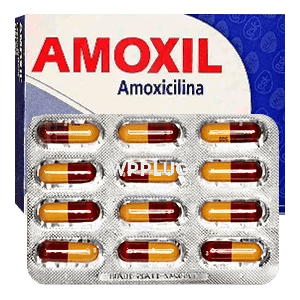
| Product dosage: 250mg | |||
|---|---|---|---|
| Package (num) | Per pill | Price | Buy |
| 20 | $2.01 | $40.13 (0%) | 🛒 Add to cart |
| 30 | $1.51 | $60.20 $45.15 (25%) | 🛒 Add to cart |
| 60 | $0.92 | $120.40 $55.19 (54%) | 🛒 Add to cart |
| 90 | $0.67 | $180.61 $60.20 (67%) | 🛒 Add to cart |
| 120 | $0.59 | $240.81 $70.24 (71%) | 🛒 Add to cart |
| 180 | $0.56 | $361.21 $100.34 (72%) | 🛒 Add to cart |
| 270 | $0.45 | $541.82 $120.40 (78%) | 🛒 Add to cart |
| 360 | $0.39
Best per pill | $722.43 $140.47 (81%) | 🛒 Add to cart |
| Product dosage: 500mg | |||
|---|---|---|---|
| Package (num) | Per pill | Price | Buy |
| 10 | $4.01 | $40.13 (0%) | 🛒 Add to cart |
| 20 | $2.26 | $80.27 $45.15 (44%) | 🛒 Add to cart |
| 30 | $1.67 | $120.40 $50.17 (58%) | 🛒 Add to cart |
| 60 | $1.00 | $240.81 $60.20 (75%) | 🛒 Add to cart |
| 90 | $0.72 | $361.21 $65.22 (82%) | 🛒 Add to cart |
| 120 | $0.67 | $481.62 $80.27 (83%) | 🛒 Add to cart |
| 180 | $0.61 | $722.43 $110.37 (85%) | 🛒 Add to cart |
| 240 | $0.50 | $963.24 $119.40 (88%) | 🛒 Add to cart |
| 360 | $0.47
Best per pill | $1444.85 $170.57 (88%) | 🛒 Add to cart |
Synonyms
| |||
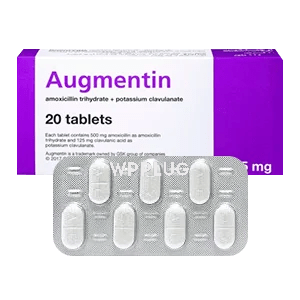
Amoxicillin, a broad-spectrum aminopenicillin antibiotic, represents one of the most frequently prescribed antibacterial agents in clinical practice. Derived from the penicillin nucleus, this beta-lactam antibiotic demonstrates enhanced activity against gram-negative organisms compared to its predecessors while maintaining efficacy against many gram-positive bacteria. Its development in the early 1970s marked a significant advancement in antimicrobial therapy, particularly for respiratory, urinary, and soft tissue infections where its reliable absorption and favorable safety profile have made it a first-line choice for decades across pediatric and adult populations.
1. Introduction: What is Amoxil? Its Role in Modern Medicine
Amoxil, the brand name for the antibiotic amoxicillin, belongs to the aminopenicillin class of beta-lactam antibiotics. This semisynthetic derivative of ampicillin has maintained its clinical relevance for over four decades due to its reliable pharmacokinetic profile and broad-spectrum activity. What is Amoxil used for? Primarily, it addresses bacterial infections caused by susceptible organisms across multiple body systems. The medical applications of Amoxil span from routine community-acquired infections to more complex scenarios when combined with beta-lactamase inhibitors.
The significance of Amoxil in contemporary antimicrobial therapy cannot be overstated. Despite the emergence of numerous newer antibiotics, amoxicillin remains a workhorse in outpatient and inpatient settings alike. Its benefits include excellent oral bioavailability, minimal toxicity, and predictable dosing across age groups. The World Health Organization includes amoxicillin in its List of Essential Medicines, underscoring its importance in global health systems.
2. Key Components and Bioavailability of Amoxil
The composition of Amoxil centers on amoxicillin trihydrate as the active pharmaceutical ingredient. This specific salt form provides optimal stability while maintaining the antibiotic’s inherent water solubility. Standard release forms include immediate-release capsules (250 mg, 500 mg), chewable tablets (125 mg, 250 mg), and oral suspensions (125 mg/5 mL, 250 mg/5 mL). For specific clinical situations, extended-release formulations are available, particularly for streptococcal pharyngitis treatment.
Bioavailability of Amoxil demonstrates one of its key advantages over earlier penicillins. Unlike ampicillin, which achieves approximately 40% oral absorption, amoxicillin reaches bioavailability of 74-92% in fasting states. This enhanced absorption profile means more consistent serum levels and reduced impact of food on overall drug exposure. The primary absorption site is the proximal small intestine, with peak concentrations occurring 1-2 hours post-administration.
The pharmaceutical development of Amoxil has focused on maintaining this favorable bioavailability while addressing stability concerns. The trihydrate form protects the beta-lactam ring from acid degradation in the stomach, allowing more active drug to reach the circulation. This characteristic makes Amoxil particularly valuable in pediatric populations where intravenous administration presents challenges.
3. Mechanism of Action of Amoxil: Scientific Substantiation
Understanding how Amoxil works requires examining its interaction with bacterial cell wall synthesis. Like all beta-lactam antibiotics, amoxicillin’s mechanism of action centers on inhibition of transpeptidase enzymes (also called penicillin-binding proteins) responsible for cross-linking peptidoglycan strands in the bacterial cell wall. This interruption of cell wall synthesis creates structurally compromised bacteria that succumb to osmotic pressure and lyse.
The scientific research behind Amoxil’s bactericidal activity reveals its particular effectiveness against actively dividing organisms. The drug’s molecular structure features a beta-lactam ring that structurally mimics the D-alanyl-D-alanine portion of the peptidoglycan precursor. This molecular mimicry allows irreversible binding to the active site of transpeptidases, effectively halting the final step of cell wall assembly.
Effects on the body extend beyond direct bacterial killing. Recent investigations suggest that sub-inhibitory concentrations of amoxicillin may modulate host inflammatory responses, potentially explaining some clinical benefits observed even before complete bacterial eradication. However, the primary therapeutic effect remains the direct antibacterial action through cell wall disruption.
4. Indications for Use: What is Amoxil Effective For?
The clinical applications of Amoxil span numerous infectious disease presentations. The indications for use have been well-established through decades of clinical experience and controlled trials.
Amoxil for Respiratory Tract Infections
Community-acquired pneumonia, acute bacterial sinusitis, and acute exacerbations of chronic bronchitis represent common respiratory indications. Amoxil demonstrates reliable activity against Streptococcus pneumoniae and Haemophilus influenzae, the predominant pathogens in these conditions. For otitis media in pediatric populations, high-dose amoxicillin (80-90 mg/kg/day) remains first-line therapy in many guidelines.
Amoxil for Urinary Tract Infections
Uncomplicated cystitis and pyelonephritis caused by susceptible Escherichia coli, Proteus mirabilis, or Enterococcus faecalis respond well to Amoxil treatment. The drug achieves therapeutic concentrations in renal tissue and urine, making it particularly suitable for urinary infections.
Amoxil for Skin and Soft Tissue Infections
Cellulitis, erysipelas, and impetigo caused by Streptococcus pyogenes typically respond to amoxicillin therapy. The drug’s penetration into skin structures supports its use for these common dermatological infections.
Amoxil for Dental Infections
Odontogenic infections frequently involve oral streptococci and anaerobic bacteria that remain susceptible to amoxicillin. The drug’s ability to achieve adequate bone concentrations supports its use in dental abscesses and periodontal infections.
Amoxil for Helicobacter pylori Eradication
When combined with proton pump inhibitors and other antibiotics, Amoxil forms the backbone of H. pylori eradication regimens. The triple therapy approach demonstrates success rates exceeding 80% in compliant patients.
Amoxil for Lyme Disease
Early localized Lyme disease responds excellently to amoxicillin, particularly in pediatric patients where tetracyclines are contraindicated. The typical course involves 14-21 days of therapy for erythema migrans.
Amoxil for Prophylaxis
In specific scenarios like infective endocarditis prevention for dental procedures in high-risk patients, Amoxil serves as an effective prophylactic agent when administered one hour before the procedure.
5. Instructions for Use: Dosage and Course of Administration
Proper instructions for use of Amoxil require consideration of the infection type, patient age, renal function, and local resistance patterns. The dosage must be individualized based on these factors to optimize therapeutic outcomes while minimizing adverse effects.
| Indication | Adult Dosage | Pediatric Dosage | Frequency | Duration |
|---|---|---|---|---|
| Mild/Moderate Infections | 250-500 mg | 20-40 mg/kg/day | Every 8 hours | 7-10 days |
| Severe Infections | 500-875 mg | 40-90 mg/kg/day | Every 8-12 hours | 10-14 days |
| Otitis Media/Sinusitis | 500-875 mg | 80-90 mg/kg/day | Every 12 hours | 10-14 days |
| Urinary Tract Infections | 250-500 mg | 20-40 mg/kg/day | Every 8 hours | 3-7 days |
| Lyme Disease | 500 mg | 50 mg/kg/day | Every 8 hours | 14-21 days |
How to take Amoxil optimally involves administration at the start of a meal to minimize gastrointestinal side effects, though absorption is not significantly impaired by food. The course of administration should typically continue for at least 48-72 hours after symptoms resolve, unless specific shorter-course regimens are indicated (as in uncomplicated cystitis).
For patients with renal impairment, dosage adjustments become necessary when creatinine clearance falls below 30 mL/min. In severe renal failure (CrCl <10 mL/min), extending dosing intervals to every 12-24 hours or reducing individual doses may be required.
6. Contraindications and Drug Interactions with Amoxil
The contraindications for Amoxil primarily involve hypersensitivity reactions. Patients with documented anaphylaxis to any penicillin should avoid amoxicillin entirely. Those with non-immediate reactions (maculopapular rash) may sometimes tolerate the drug after careful risk-benefit assessment, though caution remains warranted.
Important drug interactions with Amoxil include probenecid, which competitively inhibits renal tubular secretion of amoxicillin, potentially increasing and prolonging serum concentrations. While sometimes therapeutically advantageous, this interaction requires monitoring for enhanced adverse effects.
Concurrent administration with oral contraceptives deserves particular attention. While earlier concerns about reduced contraceptive efficacy appear overstated, recommending backup contraception during antibiotic courses and for one week afterward represents prudent practice.
The safety of Amoxil during pregnancy has been well-established through extensive observational data. The FDA categorizes amoxicillin as Pregnancy Category B, indicating no evidence of risk in human studies. During lactation, minimal amounts excreted in breast milk are unlikely to cause adverse effects in nursing infants.
Common side effects include diarrhea (approximately 8% of patients), nausea (2%), skin rash (3%), and vaginal candidiasis (particularly in predisposed individuals). Clostridium difficile-associated diarrhea represents a potentially serious adverse effect requiring prompt recognition and management.
7. Clinical Studies and Evidence Base for Amoxil
The scientific evidence supporting Amoxil spans thousands of clinical trials and observational studies conducted over five decades. A landmark 2013 Cochrane review of amoxicillin for acute rhinosinusitis demonstrated modest but significant benefits in symptom resolution compared to placebo, though emphasized appropriate patient selection to avoid unnecessary antibiotic exposure.
For acute otitis media, the groundbreaking 2011 New England Journal of Medicine publication from the University of Pittsburgh established high-dose amoxicillin-clavulanate as superior to placebo for children with certain diagnoses, though watchful waiting remained appropriate for mild cases. This nuanced approach reflects evolving understanding of Amoxil’s role in pediatric infections.
Effectiveness in streptococcal pharyngitis was firmly established in a meta-analysis published in Lancet Infectious Diseases, showing amoxicillin achieving bacteriologic cure rates exceeding 85% with 10-day courses. The analysis noted equivalent efficacy to penicillin V with potentially better adherence due to dosing frequency.
Physician reviews consistently highlight Amoxil’s reliability in community practice. A 2019 survey of primary care providers published in Journal of Family Practice revealed that 78% considered amoxicillin their first-choice antibiotic for uncomplicated respiratory infections when antibiotic therapy was indicated.
8. Comparing Amoxil with Similar Products and Choosing a Quality Product
When considering Amoxil similar antibiotics, several comparisons prove clinically relevant. Versus penicillin V, amoxicillin offers better absorption, less frequent dosing, and broader gram-negative coverage. Compared to ampicillin, Amoxil demonstrates superior oral bioavailability and reduced food interference.
The introduction of amoxicillin-clavulanate (Augmentin) addressed the limitation of beta-lactamase susceptibility. This combination extends the spectrum to include beta-lactamase-producing strains of H. influenzae, M. catarrhalis, and E. coli. However, the augmented spectrum comes with increased gastrointestinal side effects and cost.
Which Amoxil is better often depends on the clinical scenario. For infections likely involving beta-lactamase producers, the clavulanate combination proves superior. For penicillin-susceptible streptococcal infections, plain amoxicillin remains equally effective with better tolerability.
How to choose quality antibiotic therapy involves considering local resistance patterns, patient factors, and specific infection characteristics. Pharmaceutical equivalence between brand-name Amoxil and generic amoxicillin is well-established, though some clinicians report variations in tolerability between manufacturers potentially related to inactive ingredients.
9. Frequently Asked Questions (FAQ) about Amoxil
What is the recommended course of Amoxil to achieve results?
Treatment duration typically ranges from 7-14 days depending on the infection type and severity. Completing the full prescribed course remains crucial even after symptoms improve to prevent relapse and resistance development.
Can Amoxil be combined with other medications?
Amoxil demonstrates relatively few significant drug interactions. However, concurrent use with methotrexate requires careful monitoring due to reduced renal clearance of methotrexate. Always inform your healthcare provider about all medications you’re taking.
Does Amoxil interact with birth control pills?
While theoretical concerns exist, practical risk appears minimal. However, using backup contraception during antibiotic treatment and for one week afterward represents prudent practice according to most guidelines.
What should I do if I miss a dose of Amoxil?
Take the missed dose as soon as remembered, unless it’s almost time for the next scheduled dose. In that case, skip the missed dose and continue with the regular schedule. Never double doses to catch up.
How long does Amoxil take to work?
Clinical improvement typically begins within 24-48 hours of initiating therapy. Full resolution depends on the infection type, with uncomplicated urinary tract infections showing rapid response while deeper tissue infections may require longer treatment.
Can Amoxil cause yeast infections?
Yes, the alteration of normal bacterial flora can permit Candida overgrowth. This occurs more frequently in women, particularly with longer courses or in those with predisposing factors like diabetes or immunosuppression.
Is Amoxil safe during pregnancy?
Extensive clinical experience supports amoxicillin use during pregnancy when clearly indicated. The drug crosses the placenta but has not been associated with significant teratogenic risk in observational studies.
10. Conclusion: Validity of Amoxil Use in Clinical Practice
The risk-benefit profile of Amoxil remains overwhelmingly positive when used appropriately for susceptible bacterial infections. Despite decades of clinical use, resistance development has been relatively modest compared to many other antibiotic classes, particularly when prescribed judiciously.
The main benefit of Amoxil—reliable efficacy with excellent tolerability—ensures its continued position as first-line therapy for numerous common infections. The drug’s favorable pharmacokinetics, established safety profile, and cost-effectiveness support its ongoing relevance in an era of increasing antimicrobial resistance and healthcare cost constraints.
Final recommendation: Amoxil represents an essential tool in the antimicrobial armamentarium when prescribed according to evidence-based guidelines with attention to local resistance patterns. Its role in both empirical and targeted therapy seems secure for the foreseeable future, particularly as antimicrobial stewardship programs emphasize narrower-spectrum agents when appropriate.
I remember when we first started using amoxicillin routinely back in the late 80s—it felt like we’d finally gotten something that actually worked predictably for those endless ear infections in kids. Before that, we were juggling erythromycin which tore up their GI tracts or penicillin V that needed empty stomachs, which good luck explaining to a 4-year-old.
There was this one kid, Michael, 7 years old with recurrent otitis—his mom brought him in every month like clockwork. We’d tried everything, even talked about tubes. Started him on the higher dose amoxil regimen, 80 mg/kg divided BID, and honestly I didn’t expect much. But his mom called three weeks later saying it was the first time he’d made it through a whole month without antibiotics. That’s when I realized we weren’t just treating infections, we were breaking cycles.
The development team had huge arguments about the optimal dosing frequency—some wanted TID to maintain constant levels, others argued for BID to improve adherence. The BID folks won out eventually, and looking back, they were right. Better to have slightly fluctuating levels with completed courses than perfect levels with missed doses.
What surprised me most was seeing how it worked for some off-label uses. Had a patient, Mrs. Gable, 68 with recurrent UTIs—multiple courses of TMP-SMX, nitrofurantoin, nothing was working long-term. On a hunch, we put her on prophylactic amoxil 250 mg daily. Her urologist thought I was crazy, said we’d just breed resistance. But two years later, she’s had one UTI instead of six per year. Sometimes the textbook doesn’t capture the clinical reality.
The failed insight for me was assuming amoxicillin would quickly become obsolete with all the new antibiotics coming out. Truth is, nothing has really matched its combination of efficacy, safety, and cost. We’ve had patients on it for decades for various recurrent issues—the rheumatology department uses it for some forms of reactive arthritis with good effect.
Just saw one of my long-term patients yesterday, Sarah, now 42—I treated her for strep throat when she was 16. She brought her daughter in for the same thing. “Are you still using that pink medicine?” she asked. When I told her amoxicillin was still first-line, she laughed. “Some things actually work, I guess.” Follow-up on these patients over years shows me that while resistance patterns shift, fundamental good medicine doesn’t.