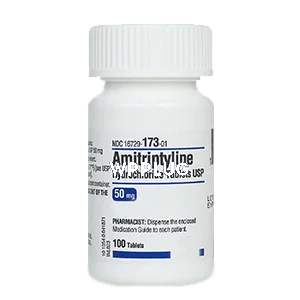
| Product dosage: 50mg | |||
|---|---|---|---|
| Package (num) | Per pill | Price | Buy |
| 90 | $0.46 | $41.14 (0%) | 🛒 Add to cart |
| 120 | $0.41 | $54.85 $49.17 (10%) | 🛒 Add to cart |
| 180 | $0.37 | $82.28 $66.23 (20%) | 🛒 Add to cart |
| 270 | $0.34 | $123.42 $91.31 (26%) | 🛒 Add to cart |
| 360 | $0.32
Best per pill | $164.56 $114.39 (30%) | 🛒 Add to cart |
Synonyms | |||

More info:
amitriptyline
Amitriptyline is a tricyclic antidepressant (TCA) with a complex pharmacological profile that extends far beyond its initial antidepressant labeling. In clinical practice, we’ve been using this agent since the 1960s, watching its applications evolve from major depression to neuropathic pain, migraine prophylaxis, and even functional gastrointestinal disorders. What started as a simple antidepressant has become one of our most versatile neuro-modulatory tools. Amitriptyline: Multimodal Therapeutic Agent for Chronic Pain and Mood Disorders - Evidence-Based Review 1.
Asendin: A Potent Antidepressant for Treatment-Resistant Depression - Evidence-Based Review
Before we get to the formal headings, let me give you the real picture of Asendin. It’s not just another entry in the crowded antidepressant market; it’s a tricyclic antidepressant (TCA), specifically amoxapine, that occupies this fascinating, somewhat contentious niche. We initially viewed it as a fallback option when SSRIs failed, but over the years, I’ve seen its unique profile—part TCA, part subtle dopamine modulator—make a tangible difference for a specific subset of patients who feel nothing from the first-line drugs.
celexa
Celexa, known generically as citalopram hydrobromide, is a selective serotonin reuptake inhibitor (SSRI) antidepressant medication, not a dietary supplement or medical device. It’s prescribed primarily for major depressive disorder (MDD) and off-label for anxiety disorders. This monograph will detail its formulation, mechanism, clinical use, and evidence base from both trial data and real-world application. 1. Introduction: What is Celexa? Its Role in Modern Medicine Celexa, or citalopram, belongs to the SSRI class, first approved by the FDA in 1998.
cyclogyl
Cyclopentolate hydrochloride, commonly known by its brand name Cyclogyl, is a potent anticholinergic agent used primarily in ophthalmology for diagnostic procedures. This synthetic compound belongs to the class of medications called cycloplegics and mydriatics, designed to temporarily paralyze the ciliary muscle and dilate the pupil. Its rapid onset and relatively short duration make it particularly valuable in pediatric eye examinations and certain adult diagnostic scenarios where accurate refractive error measurement is crucial.
desyrel
Desyrel, known generically as trazodone hydrochloride, presents one of the more interesting paradoxes in modern psychopharmacology. Initially developed and approved as an antidepressant, its clinical utility has dramatically expanded off-label, particularly for managing insomnia—even becoming a first-line option for many sleep specialists despite lacking formal FDA approval for this indication. What began as a novel serotonin antagonist and reuptake inhibitor (SARI) has evolved into one of psychiatry’s most versatile tools, bridging the gap between traditional sleep aids and full-spectrum antidepressants.
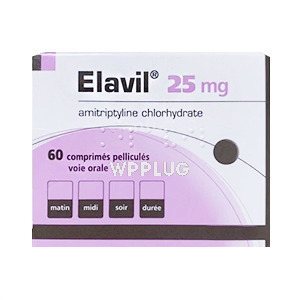
elavil
Amitriptyline, marketed under the brand name Elavil among others, is a tricyclic antidepressant (TCA) with a complex pharmacology that extends far beyond its initial psychiatric indications. It’s one of those foundational drugs in a neurologist’s or psychiatrist’s toolkit that you learn to respect, not just for its efficacy but for its quirks and the careful management it demands. Structurally, it’s characterized by its three-ring core and is classified as a tertiary amine TCA, which influences its side effect profile and metabolism.
endep
Endep, known generically as amitriptyline, represents one of those foundational tricyclic antidepressants that somehow found far broader utility than anyone initially anticipated. When I first encountered it during residency in the late 90s, we were still primarily prescribing it for major depressive disorder, but the off-label uses were already piling up. Over two decades of clinical practice, I’ve watched this medication evolve from a straightforward antidepressant to a versatile neuromodulator with applications spanning chronic pain, migraine prophylaxis, and even functional gastrointestinal disorders.
flexeril
Cyclobenzaprine hydrochloride - a centrally-acting skeletal muscle relaxant that’s been in our toolkit since the 1970s, though we still debate its exact mechanism. What’s fascinating is how this tricyclic compound structurally resembles amitriptyline but somehow manages to provide muscle relaxation without the same degree of sedation, at least in theory. The reality in clinical practice is often more nuanced. Flexeril: Targeted Muscle Spasm Relief with Central Action - Evidence-Based Review 1.
Kemadrin: Effective Management of Drug-Induced Movement Disorders - Evidence-Based Review
Procyclidine hydrochloride, marketed under the brand name Kemadrin, represents one of the older anticholinergic agents still in clinical use today. It’s specifically indicated for the management of drug-induced parkinsonism and extrapyramidal symptoms that can emerge as side effects from antipsychotic medications. What’s fascinating about this compound is how it’s maintained relevance despite newer alternatives - there’s something about its particular receptor affinity profile that makes it uniquely suited for certain patient populations, particularly those who develop acute dystonic reactions.