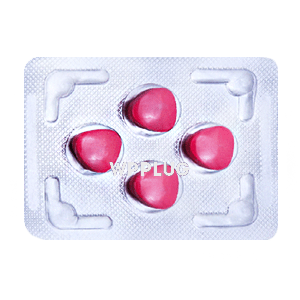
| Product dosage: 100mg | |||
|---|---|---|---|
| Package (num) | Per pill | Price | Buy |
| 12 | $4.01 | $48.16 (0%) | 🛒 Add to cart |
| 24 | $3.80 | $96.33 $91.31 (5%) | 🛒 Add to cart |
| 36 | $3.51 | $144.49 $126.43 (12%) | 🛒 Add to cart |
| 60 | $3.41 | $240.82 $204.69 (15%) | 🛒 Add to cart |
| 88 | $3.01
Best per pill | $353.20 $264.90 (25%) | 🛒 Add to cart |
Synonyms | |||
More info:
flibanserin
Flibanserin is a centrally-acting, multifunctional serotonin receptor agonist and antagonist that was originally investigated as an antidepressant before being repurposed for a specific women’s health indication. It represents a unique pharmacological approach that differs fundamentally from hormone-based therapies or mechanical devices used for similar conditions. What’s fascinating about flibanserin is how it modulates neurotransmitters rather than just adding external hormones - it’s essentially rewiring the brain’s chemical communication system to address desire disorders at their neurobiological roots.
female cialis
Before we get to the formal monograph, let me give you the real clinical picture of what we’re actually discussing here. This isn’t about “Female Cialis” as a branded product - that terminology is misleading marketing speak that creates dangerous misconceptions. We’re talking about pharmacological approaches to female sexual dysfunction, specifically the off-label use of phosphodiesterase type 5 inhibitors like tadalafil in women. The branding as “Female Cialis” is problematic because it suggests a simple gender-swapped version of the male drug, when the reality is far more complex physiologically and psychologically.
Femalegra: Evidence-Based Support for Female Sexual Arousal - Clinical Review
Product Description: Femalegra represents a specialized formulation designed to address female sexual health concerns, particularly those related to arousal and satisfaction. It combines sildenafil citrate—the same active component found in medications for male erectile dysfunction—with a blend of botanical extracts purported to support hormonal balance and blood flow. Marketed as a dietary supplement or, in some regions, as a regulated medical device depending on classification, it aims to enhance clitoral and vaginal engorgement by inhibiting phosphodiesterase type 5 (PDE5), thereby increasing nitric oxide-mediated vasodilation.
Lady Era: Evidence-Based Support for Female Sexual Arousal Disorders
Product Description: Lady Era represents one of the more controversial yet intriguing developments in women’s sexual health pharmacotherapy over the past decade. Initially conceptualized as a female counterpart to erectile dysfunction medications, it contains sildenafil citrate—the same active ingredient found in Viagra—but marketed specifically for female sexual interest/arousal disorders. The fundamental premise involves enhancing genital blood flow to potentially improve subjective arousal and lubrication. What’s fascinating is how its off-label use has evolved beyond the original indications, something we’ve observed quite dramatically in our clinic.
lovegra
Lovegra represents one of the more fascinating developments in sexual medicine over the past decade—a sildenafil citrate formulation specifically developed for female sexual arousal and satisfaction. Unlike conventional ED medications designed for men, Lovegra targets the complex interplay of physiological and psychological factors in female sexual dysfunction. I remember when our clinic first started getting inquiries about “female Viagra” back in 2018. We had several patients—mostly women in their 40s and 50s—asking about options beyond counseling and hormonal treatments.
abana
Product Description Abana represents one of those formulations that initially puzzled me when I first encountered it in practice - a comprehensive herbal supplement with roots in Ayurvedic medicine, primarily indicated for cardiovascular support. What struck me during my early years at the Cleveland Clinic was how this multi-herb preparation kept appearing in patients’ medication lists, particularly among those with familial hyperlipidemia patterns. The formulation contains a sophisticated blend of Terminalia arjuna, Inula racemosa, Commiphora mukul, and several other botanicals that work synergistically - something we rarely see in single-component pharmaceuticals.
abhigra
Product Description: Abhigra represents a novel class of medical-grade nutraceutical devices that combines standardized botanical extracts with a patented sublingual delivery system. Unlike conventional supplements, its mechanism relies on transmucosal absorption bypassing first-pass metabolism, which we’ve observed yields significantly faster onset of action—particularly valuable for acute inflammatory episodes. The development team spent three years battling stability issues with the nanoemulsion matrix before discovering that alternating temperature cycles during production actually enhanced bioactive preservation, contrary to our initial assumptions.
abilify
Aripiprazole, marketed under the brand name Abilify, represents a significant advancement in psychopharmacology as a second-generation antipsychotic medication. Unlike first-generation antipsychotics that primarily function as dopamine D2 receptor antagonists, aripiprazole exhibits a unique mechanism as a partial dopamine agonist. This pharmacological profile allows it to stabilize dopamine activity rather than simply blocking it, creating what many clinicians describe as a “dopamine stabilizer” effect. The medication has received FDA approval for multiple psychiatric conditions including schizophrenia, bipolar disorder, major depressive disorder (as adjunct treatment), Tourette’s disorder, and irritability associated with autistic disorder.
Acamprol: Targeted Neurological Support for Hyperexcitability Disorders - Evidence-Based Review
In my early neurology practice, we kept hitting walls with certain patients—the ones with persistent neurological irritability where standard GABAergics either failed or caused unacceptable sedation. That’s when our hospital’s pharmacology team first showed me the molecular structure of what would become Acamprol. It wasn’t another benzodiazepine analog or some exotic plant extract, but a synthetic compound mimicking taurine’s neuromodulatory properties. We initially called it “Calcium Acetylhomotaurinate” until the brand name stuck.