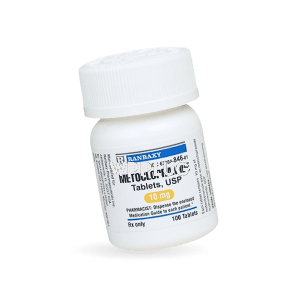
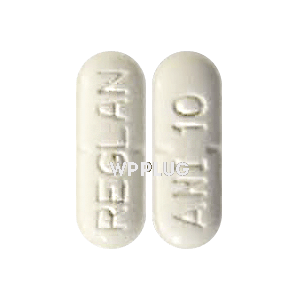
Metoclopramide is a dopamine receptor antagonist and serotonin receptor agonist medication primarily used to manage gastrointestinal motility disorders and nausea. It’s available in oral tablets, orally disintegrating tablets, oral solution, and injectable forms, with brand names including Reglan and Maxolon in various markets. This medication has been a mainstay in clinical practice for decades due to its dual mechanism addressing both delayed gastric emptying and nausea symptoms. 1. Introduction: What is Metoclopramide?
Compazine, known generically as prochlorperazine, is a phenothiazine derivative primarily used as an antiemetic and antipsychotic agent. First developed in the 1950s, it remains a cornerstone in managing nausea, vomiting, and certain psychiatric conditions due to its potent dopamine receptor antagonism. Available in tablet, suppository, and injectable forms, Compazine’s versatility in administration routes makes it valuable across clinical settings from emergency departments to outpatient care. Its mechanism involves blocking dopamine D2 receptors in the chemoreceptor trigger zone (CTZ) of the medulla oblongata, effectively preventing nausea and vomiting signals.
Erythromycin is a macrolide antibiotic derived from Saccharomyces erythraeus, first isolated in 1952 from a soil sample in the Philippines. It’s been a workhorse in clinical practice for decades, particularly valuable for patients with penicillin allergies. We initially thought it was just another antibiotic option, but over time it revealed surprising versatility—from treating routine respiratory infections to managing gastroparesis and even having applications in ophthalmology. The molecule’s complex 14-membered lactone ring gives it unique binding properties that we’re still fully understanding.
Fosfomycin is a broad-spectrum bactericidal antibiotic, originally isolated from Streptomyces species. It’s structurally unique as a phosphonic acid derivative and works by irreversibly inhibiting an early step in bacterial cell wall synthesis. In clinical practice, fosfomycin is primarily formulated as fosfomycin trometamol for oral administration and fosfomycin disodium for intravenous use. Its niche has been largely in treating uncomplicated urinary tract infections (UTIs), particularly those caused by multidrug-resistant pathogens, due to its favorable resistance profile and high urinary concentrations.
Domperidone, marketed under the brand name Motilium among others, is a dopamine antagonist medication primarily used to manage nausea, vomiting, and certain gastrointestinal motility disorders. It works by blocking dopamine receptors in the brain and gut, which helps to increase movements and contractions in the upper digestive tract, facilitating gastric emptying. Available in various forms including tablets and suspension, it’s a staple in many clinical settings for its targeted action.
Promethazine is a first-generation phenothiazine derivative that’s been kicking around clinical practice since the 1950s, originally developed as an antihistamine but quickly finding its place as a versatile antiemetic and sedative agent. I remember digging through old pharmacy journals during my residency and being struck by how this molecule managed to survive six decades of pharmacological advancement when so many contemporaries got left behind. What started as Dr. Paul Charpentier’s synthetic antihistamine project in France ended up becoming one of those workhorse medications you’ll find in virtually every hospital crash cart and emergency department.
Reglan, known generically as metoclopramide, is a dopamine receptor antagonist and prokinetic agent that has been a staple in gastroenterology and emergency medicine for decades. Initially approved by the FDA in 1980, it works by increasing motility in the upper gastrointestinal tract and antagonizing dopamine receptors in the chemoreceptor trigger zone, making it uniquely effective for both gastric stasis and nausea/vomiting. What’s fascinating is how this old drug keeps finding new relevance—we’re now seeing applications in migraine-associated gastroparesis and even refractory hiccups.
Ondansetron, marketed under the brand name Zofran, represents one of the most significant advances in antiemetic therapy over the past three decades. As a selective 5-HT3 receptor antagonist, this medication has fundamentally changed how we manage nausea and vomiting across multiple clinical scenarios. I remember when we first started using it in the late 90s - we went from having limited options that often left patients miserable to having something that actually worked predictably.
Product Description Abana represents one of those formulations that initially puzzled me when I first encountered it in practice - a comprehensive herbal supplement with roots in Ayurvedic medicine, primarily indicated for cardiovascular support. What struck me during my early years at the Cleveland Clinic was how this multi-herb preparation kept appearing in patients’ medication lists, particularly among those with familial hyperlipidemia patterns. The formulation contains a sophisticated blend of Terminalia arjuna, Inula racemosa, Commiphora mukul, and several other botanicals that work synergistically - something we rarely see in single-component pharmaceuticals.